
Choosing a More Suitable Inflatable Slide for Rental: A Comprehensive Guide
Inflatable slides are a popular attraction at birthday parties, school fairs, business events, community meetings, and festivals. Their brilliant colors, towering heights, and thrilling descents attract both children and adults, making them a favorite option among rental companies and event planners. However, not all inflatable slides are made equally. Choosing the best one for rental takes careful consideration of safety, durability, target audience, logistics, and return on investment. A badly selected slide can result in safety problems, repeated repairs, angry customers, and financial losses. In contrast, a well-chosen inflatable slide may boost your reputation, increase bookings, and optimize profits.
This detailed guide delves into the essential variables to consider when selecting a more suitable inflatable slide for rental, providing insights based on industry best practices, safety requirements, and firsthand experience. Whether you’re starting a new rental business or growing your current inventory, this article will help you make smart selections.
- Understanding Your Target Market
Before diving into specifications and features, it is essential to define your target audience. The ideal inflatable slide varies significantly depending on who will be using it.
a. Children (Ages 3 to 12)
For younger children, safety and accessibility are paramount. Slides designed for this age group typically feature:
- Lower heights (6 to 12 feet)
- Gentle slopes and wide landings
- Enclosed sides and safety nets
- Smaller climbing ladders or stairs
- Bright, cartoon-themed designs (e.g., castles, animals, jungle themes)
Slides combined with bounce houses, ball pits, or obstacle courses are popular alternatives. These provide better value for money and appeal to a wider age range in the children’s section.
b. Teens and Adults
Older users seek excitement and challenge. Slides for teens and adults often feature:
- Greater heights (15 to 30 feet)
- Steeper inclines
- Longer sliding lanes
- Dual or triple lanes for racing
- More robust construction to support higher weight capacities
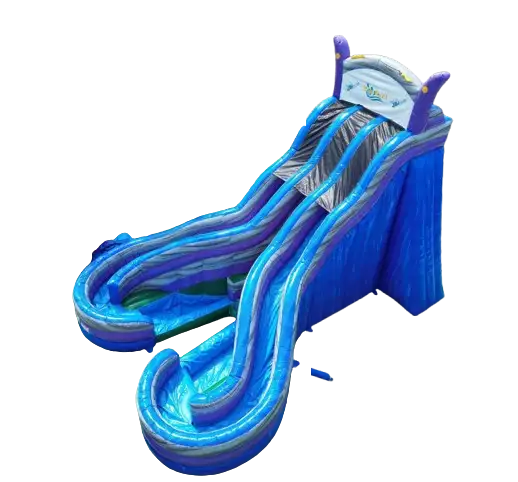
Examples include dry water slides (usable without water), slip and slides with inflatables, and extreme slides with twists and turns. These units are ideal for festivals, corporate team-building events, and college parties.
c. Mixed-Age Events
Many events cater to families with children of varying ages. In such cases, consider offering a range of slides or investing in multi-level combo units that include zones for different age groups. Alternatively, modular systems allow customization based on event needs.
Tip: Conduct market research in your service area. Survey local event planners, schools, and parents to understand demand patterns and preferences.
- Prioritizing Safety Standards
Safety is not optional in the inflatable rental market. Accidents can cause injuries, legal liabilities, and reputational harm. Choosing a slide that meets or exceeds safety requirements is crucial.
a. Certifications and Compliance
Look for inflatable slides that comply with recognized safety standards, such as:
- ASTM F2374 (Standard Practice for Design, Manufacture, Operation, and Maintenance of Inflatable Amusement Devices)
- EN 14960 (European standard for inflatable play equipment)
- UL Certification (for electrical components like blowers)
Reputable manufacturers give paperwork that confirms compliance. Avoid low-cost imports without necessary certificates, as they may include poor materials or defective designs.
b. Design Features Enhancing Safety
Evaluate the slide structural design for safety features:
- Anchor Points: Multiple heavy-duty D-rings or anchor loops (minimum of 6 to 8 for large units) for secure staking or weighting.
- Safety Nets and Guardrails: Enclose climbing areas and slide exits to prevent falls.
- Weight Capacity: Clearly labeled maximum weight limits per user and total capacity. Avoid slides with ambiguous or unrealistically high ratings.
- Entrance and Exit Design: Smooth transitions, non-slip surfaces, and clearly marked entry and exit points.
- Ventilation and Deflation: Emergency deflation zippers and sufficient air outlets to prevent overinflation.
- UV and Flame Resistance: Materials treated to resist degradation from sunlight and reduce fire risk.
c. Manufacturer Reputation
Choose slides from reputable manufacturers with a track record of safety and quality. Read consumer reviews, get references, and see sample units if feasible. Companies noted for their dependable goods frequently have transparent quality control methods and prompt customer service.
Tip: Maintain a safety log for each unit, documenting inspections, repairs, and usage. This demonstrates due diligence in case of incidents.
- Evaluating Material Quality and Durability
Inflatable slides endure frequent setup, takedown, exposure to weather, and heavy use. Durability directly impacts maintenance costs and lifespan.
a. PVC Tarpaulin Thickness
The primary material used is PVC-coated vinyl tarpaulin. Thickness is measured in ounces per square yard or denier:
- 15 to 18 oz per square yard: Suitable for light residential use, not recommended for frequent rentals.
- 18 to 20 oz per square yard: Standard for commercial-grade inflatables; good balance of durability and weight.
- 20 to 22 oz per square yard: Heavy-duty option for high-traffic environments or larger units.
Look for double- or triple-stitched seams, reinforced stress points (corners, anchor points, ladder rungs), and welded seams where appropriate.
b. Blower Quality
The blower is the heart of the inflatable. A reliable blower ensures consistent inflation and longevity.
- Horsepower: Match blower size to slide volume. For example, a 15-foot slide may require a 1 HP blower, while a 25-foot slide may need 1.5 to 2 HP.
- Certification: UL or ETL-listed blowers ensure electrical safety.
- Noise Level: Quieter blowers are preferable for residential areas.
- Durability: Metal housings last longer than plastic; look for thermal overload protection.
Consider purchasing spare blowers to minimize downtime during rentals.
c. Weather Resistance
If operating outdoors, choose slides designed to withstand sun, wind, and occasional rain:
- UV-resistant coatings prevent fading and material degradation.
- Water-resistant seams and drainage holes (for dry slides used near water).
- Wind ratings indicate maximum safe operating speeds (typically 15 to 25 mph).
Avoid using inflatables in high winds, thunderstorms, or extreme temperatures.
Tip: Store slides in a dry, cool environment when not in use. Use protective covers during transport and storage to prevent abrasions.
- Assessing Size, Weight, and Portability
Logistics play a crucial role in rental operations. A slide that is too large or heavy may limit your service area or require additional labor and equipment.
a. Dimensions and Space Requirements
Consider both the slide footprint and the recommended clearance zone (5 to 10 feet on all sides). Measure delivery trucks, storage spaces, and common setup areas (backyards, parks, parking lots).
Example:
- A 15-foot dual-lane slide may require a 20-by-30-foot area.
- A 25-foot extreme slide could need 30 by 50 feet.
b. Weight and Transport
Heavier slides (150 to 300+ lbs) may require two people or a dolly for transport. Consider:
- Foldable designs for easier handling.
- Carry bags or carts are included with purchase.
- Vehicle capacity (van, trailer, truck).
For large-scale operations, invest in a utility trailer with ramps and tie-downs.
c. Setup and Takedown Time
Efficiency determines how many rentals you can handle each day. Aim for slides that can be assembled by one or two persons in 15 to 30 minutes. Features that help with setup include:
- Color-coded anchor points.
- Integrated blower tubes with Velcro or zipper closures.
- Pre-attached stakes or sandbags (though these should be inspected regularly).
Tip: Create standardized setup checklists and train staff thoroughly to ensure consistency and safety.
- Exploring Design and Theming Options
A visually appealing slide attracts more attention and can command higher rental rates. Theming should align with your target market and local preferences.
a. Popular Themes
- Children: Princess castles, pirates, dinosaurs, superheroes, under the sea, jungle safari.
- Teens and Adults: Tropical luau, sports (soccer, football), space adventure, retro arcade, neon glow (for night events).
- Seasonal and Holiday: Halloween haunted slides, Christmas snow slides, Easter bunny slides.
Custom theming is available from some manufacturers but comes at a premium cost and longer lead time.
b. Color and Visibility
Bright, contrasting colors improve visibility and aesthetic appeal. Reflective strips or glow-in-the-dark elements enhance safety during evening events.
c. Branding Opportunities
Consider adding your rental company logo or contact information to the slide (with manufacturer approval). This serves as free advertising at every event.
Tip: Maintain a diverse inventory with multiple themes to cater to different event types and avoid saturation.
- Considering Additional Features and Add-Ons
Enhance the value proposition of your rental slides with thoughtful features and complementary products.
a. Combo Units
Combination inflatables integrate slides with other play elements:
- Bounce house plus slide
- Obstacle course plus slide
- Slide plus climbing wall plus tunnel
These offer more entertainment per square foot and higher rental rates.
b. Water Compatibility
Water slides are popular in the summer months. If offering wet use:
- Ensure the slide is explicitly rated for water.
- Include a water connection system (garden hose attachment).
- Provide splash pools or drainage options.
- Use non-slip surfaces on climbing areas.
Note: Dry slides can sometimes be used with water, but this may void warranties or damage materials.
c. Lighting and Sound
For evening or indoor events, consider:
- LED lighting strips (battery-powered or integrated).
- Bluetooth speakers for music.
- Inflatable arches or tunnels with lighting for entryways.
These features justify premium pricing and create memorable experiences.
d. Accessories
Offer rental packages that include:
- Heavy-duty stakes or sandbags
- Extension cords (outdoor-rated, GFCI protected)
- Ground tarps (to protect the slide and keep it clean)
- Repair kits and patch materials
- Safety signage and rules posters
Tip: Bundle accessories into tiered rental packages (Basic, Deluxe, Premium) to increase average transaction value.
- Analyzing Cost vs. Return on Investment (ROI)
While upfront cost is important, focus on long-term profitability and value.
a. Purchase Price
Commercial-grade inflatable slides range from 1,500 to 8,000 dollars or more, depending on size, features, and brand. Avoid the temptation to cut corners with budget models that may fail prematurely.
b. Rental Pricing Strategy
Research local competitors to benchmark pricing. Typical daily rental rates:
- Small children slide (15 ft): 150 to 250 dollars
- Medium combo unit: 250 to 400 dollars
- Large extreme slide (25 ft+): 400 to 700 dollars or more
Factor in delivery, setup, pickup, cleaning, and insurance when setting prices.
c. Utilization Rate
Aim for a utilization rate of 40 to 60 percent (rented 2 to 3 days per week on average). Calculate potential monthly revenue:
Example: A 300 dollar per day slide rented 10 days per month equals 3,000 dollars revenue. Subtract expenses (labor, fuel, maintenance, insurance, marketing) to determine net profit.
d. Lifespan and Maintenance
A well-maintained commercial slide can last 3 to 5 years or more with regular use. Budget 10 to 15 percent of the purchase price annually for maintenance, repairs, and replacements.
Tip: Track usage per unit to identify popular models and optimize future purchases.
- Navigating Legal and Insurance Requirements
Protect your business with proper documentation and coverage.
a. Business Licensing and Permits
Ensure your rental business complies with local regulations, including business licenses, zoning laws, and sales tax collection.
b. Insurance Coverage
Obtain comprehensive liability insurance specifically for inflatable rentals. Standard policies may not cover amusement devices. Look for coverage that includes:
- General liability (bodily injury, property damage)
- Equipment coverage (theft, fire, damage)
- Participant liability waivers (recommended but not foolproof)
Some venues (parks, schools) require proof of insurance before allowing setup.
c. Waivers and Rental Agreements
Use legally reviewed rental contracts that include:
- Safety rules and usage guidelines
- Damage and cleaning fees
- Indemnification clauses
- Weather cancellation policies
Have customers sign waivers acknowledging risks (consult a lawyer to ensure enforceability in your jurisdiction).
Tip: Join industry associations like SIOTO (Safe Inflatable Operators Training Organization) for resources, training, and networking.
- Building a Balanced Inventory
A successful rental business offers variety while avoiding overstocking.
a. Start Small and Scale
Begin with 3 to 5 versatile units covering different age groups and event types. Examples:
- 12-foot themed combo unit (ages 3 to 8)
- 18-foot dual-lane slide (ages 6 to 12)
- 22-foot extreme slide (teens and adults)
- Water slide (seasonal)
- Obstacle course combo
Expand based on demand and profitability.
b. Seasonal Planning
Adjust inventory for seasonal trends:
- Summer: Water slides, outdoor combos
- Fall and Winter: Indoor-friendly units, holiday themes, dry slides
Consider offering indoor rentals at community centers, gyms, or malls during colder months.
c. Maintenance and Rotation
Rotate units to prevent overuse and allow time for deep cleaning and repairs. Schedule regular inspections (weekly during peak season, monthly otherwise).
Tip: Use rental management software to track inventory, bookings, and maintenance schedules.
- Providing Exceptional Customer Service
Even the best slide will not succeed without excellent service.
a. Professional Delivery and Setup
Train staff to be punctual, courteous, and safety-conscious. Provide clear setup instructions and safety briefings to customers.
b. Cleaning and Sanitization
Clean slides thoroughly after each use with mild soap and water or approved disinfectants. Pay attention to high-touch areas (ladders, handrails, landings). Consider UV sanitizing wands for added assurance.
c. Customer Support
Offer phone and email support during rentals. Provide a 24/7 emergency contact for issues like blower failure.
d. Feedback and Improvement
Encourage customer reviews and use feedback to refine your offerings and service.
Tip: Create a branded experience with matching delivery vehicles, uniforms, and marketing materials.
Conclusion
Choosing a more appropriate inflatable slide for rental is a comprehensive decision that goes beyond looks and cost. It involves a strategic combination of safety awareness, market knowledge, operational efficiency, and financial planning. By selecting certified, durable equipment targeted to your target audience, you build the groundwork for a dependable and lucrative rental business.
Remember, your inflatable slides are not just products; they are experiences. A well-chosen slide brings joy to users, peace of mind to parents and event organizers, and sustained success to your business. Invest time in research, build relationships with reputable suppliers, and continuously refine your operations based on real-world performance.
As the inflatable rental industry evolves, driven by innovation in materials, design, and technology, staying informed and adaptable will ensure your business remains competitive and trusted in the years to come. Whether you are just starting or looking to upgrade, let safety, quality, and customer satisfaction guide your choices. After all, the right slide does not just go down fast; it lifts your business higher.