
Dry vs. Wet Inflatable Slides: What You Need to Know
Parties, festivals, and water parks frequently include inflatable slides as attractions. Dry versus wet is frequently the first big choice you have when deciding whether to purchase or rent one. Despite having a similar appearance, the two varieties differ in terms of materials, setup, maintenance, and safety. A constant-air blower supports both, but the addition of water alters everything from storage to surface friction. You can select the appropriate slide and use it securely if you are aware of these distinctions.
What Is a Dry Inflatable Slide?
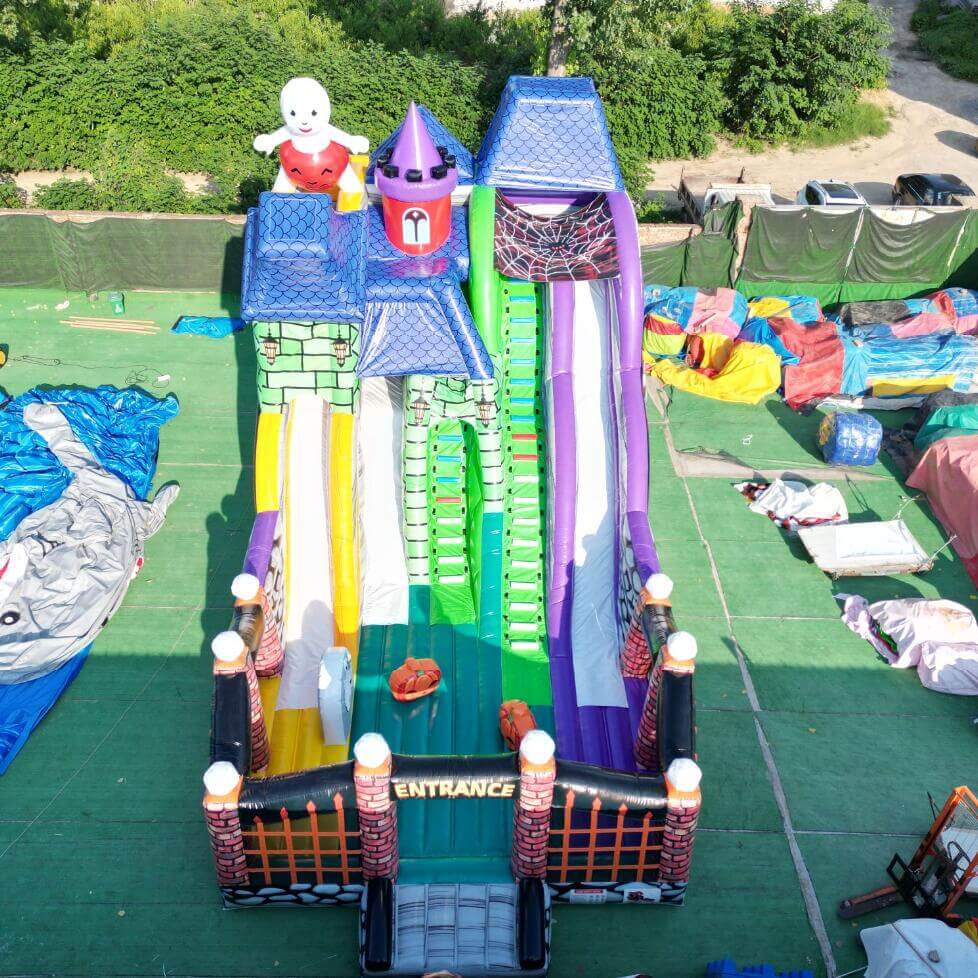
An inflatable dry slide is designed to be used without water. Its smooth, low-friction PVC or vinyl surface allows riders to glide while wearing ordinary clothing or socks. Dry slides may have a higher slope or a slick covering since there is no water to minimize friction. To increase speed and avoid static, some operators offer sliding sacks or matting. For indoor events, retail centers, school gyms, and colder climates, dry slides are ideal. They are therefore a year-round choice for rental companies.
What Is a Wet Inflatable Slide?
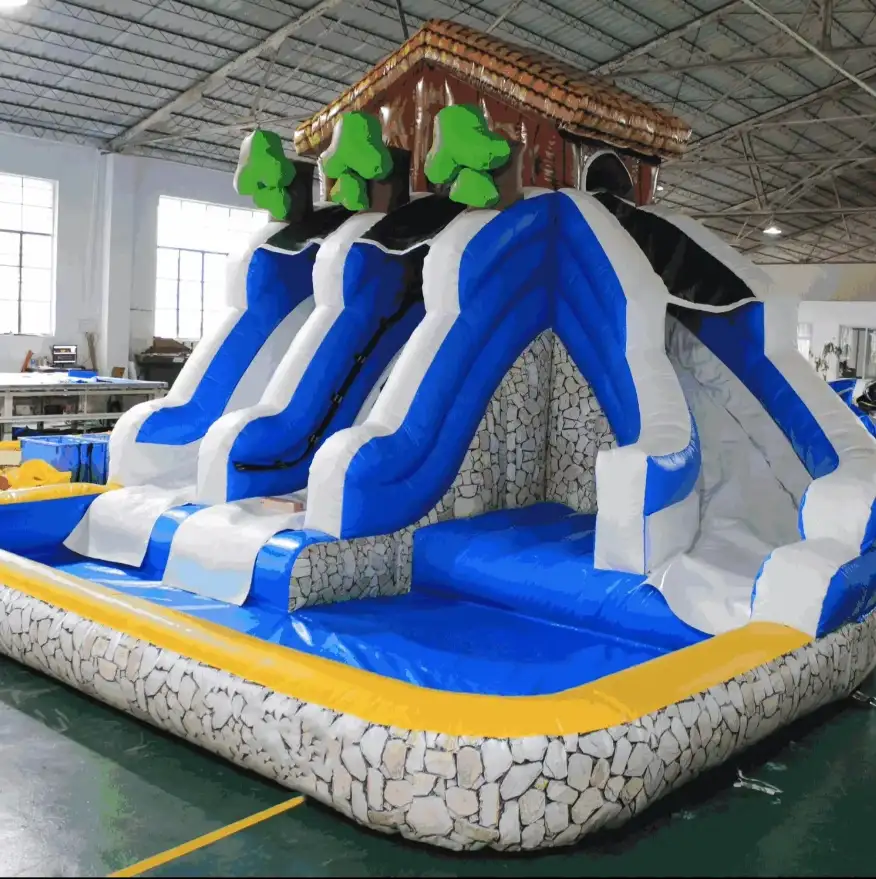
A wet inflatable slide is designed to be used with water. A hose or built-in spray system keeps the surface wet, and many models include a splash pool at the bottom. The water acts as a lubricant, allowing riders to slide quickly even on a gentler incline. Wet slides use water-resistant, mold-resistant materials and reinforced seams. They are ideal for summer events, pool parties, and outdoor festivals. The landing pool cushions the rider, but it also requires careful supervision.
Key Differences
Sliding Surface and Speed
Smooth vinyl and occasionally a mat are essential for dry slides. Wet slides frequently feel quicker because they employ water to produce an almost frictionless surface. But with the proper perspective and surface treatment, dry slides may be as thrilling.
Safety Considerations
Adult supervision is necessary for both kinds. Long sleeves or stockings are useful since dry slides can result in friction burns if naked flesh comes into contact with the vinyl. Slippery surfaces, the depth of the splash pool, and adequate drainage are all important considerations for wet slides. Falls are decreased with a non-slip carpet at the entryway. Never permit more riders than the manufacturer suggests or harsh play.
Setup and Location
Dry slides are easier to set up because they only need a blower and a flat surface, and they can be used indoors or outdoors. Wet slides also need a water source and good drainage, which makes the venue more important. Indoor venues with limited water access strongly favor dry units.
Maintenance and Cleaning
Dry slides are relatively easy to wipe down and store. Wet slides must be dried completely before packing to prevent mold and mildew. They also collect dirt, grass, and sunscreen from the water, so they need extra cleaning. Mold can damage seams and create health risks, so drying is not optional.
Operating Costs
Because they don’t require water, dry slides are less expensive to run. Utility expenses increase because wet slides require a constant water supply. The majority of basic configurations employ a continuous hose feed; however, some operators use timers or recirculating systems. However, during the sweltering summer months, wet slides may frequently fetch higher rental prices.
Choosing the Right Slide
Consider the season, venue, and audience. An indoor winter event calls for a dry slide. A summer outdoor gathering is a great fit for a wet slide. If you want maximum flexibility, a hybrid model can be used both ways, with water-resistant materials and drainage features. If you run a rental company, offering both types can attract a wider range of customers.
Quality is important with any option. Look for reinforced stress areas, commercial-quality stitching, safety netting, and a certified blower. Also, examine the warranty and after-sales assistance. A reputable manufacturer may make a significant impact here. Dudu Amusement, for example, manufactures both dry and wet inflatable slides with an emphasis on longevity and rider safety. Their slides are constructed from heavy-duty PVC tarpaulin, have high side walls and non-slip climbing sections, and satisfy international safety regulations. Whether you need a tiny dry slide for an indoor play center or a huge wet slide with a splash pool, Dudu Amusement has dependable alternatives that will help you get the most out of your investment.
Final Thoughts
Dry slides are versatile and low-maintenance; wet slides deliver fast, refreshing thrills but require more setup and care. By comparing surface, safety, setup, and upkeep, you can choose the right equipment for your event or rental business. A manufacturer with experience in both types, such as Dudu Amusement, can help you make a confident purchase.