
Safety Requirements for Operating Bumper Cars
Bumper cars appear simple. People drive, bump, laugh, and then depart. However, safe functioning requires cautious work. A bumper car arena is a dynamic atmosphere with quick judgments. It also employs power, barricades, lights, audio, and people. Injuries are possible if a single component malfunctions.
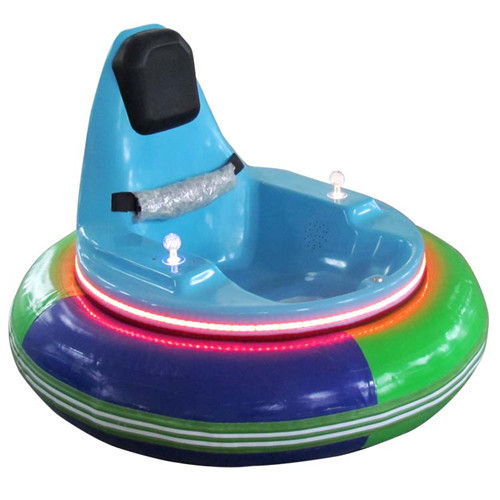
This article describes the primary safety standards for running bumper cars. The purpose is to safeguard riders, employees, and tourists. These standards apply to both indoor and outdoor bumper car rides. Local legislation may impose additional rules. Operators should always adhere to the utmost standard.
1) Safe Ride Design and Approved Equipment
A bumper car ride should be built for impact. The system must be designed so that bumps stay controlled.
Key requirements include:
- Certified ride equipment. The ride should meet recognised amusement ride standards. Many regions require third-party inspection and certification before opening.
- Impact-absorbing car design. Cars should have a strong body and a protective bumper ring. The bumper should reduce sharp impact forces.
- Safe steering and braking. Steering must respond smoothly. Cars should stop when the power is cut. Some systems also use speed control.
- Seat and interior safety. Seats should be secure. Edges inside the car should be smooth. No exposed sharp parts should exist.
- Guarded moving parts. Motors, chains, and rotating components must not be reachable by riders.
If a car is modified, the modification must be reviewed. Homemade changes can create hidden risks.
2) Arena Layout and Physical Barriers
The arena layout matters as much as the cars. Poor layouts create high-speed head-on hits or trap riders.
Important arena requirements:
- Strong perimeter walls. The outer barrier must handle repeated impacts. It should not splinter or expose metal edges.
- Smooth wall surfaces. Walls must be padded or designed to reduce injury risk. Protruding bolts and sharp corners must be covered.
- Controlled entry and exit. Gates should prevent riders from entering while cars are moving. Exits must allow quick evacuation in an emergency.
- Clear operator visibility. The operator should see the entire floor. Blind spots should be removed by design or cameras.
- Non-slip floor. The floor must provide predictable traction. Wet or oily surfaces can cause skids and hard impacts.
- Adequate space. The arena should not be overcrowded. Too many cars in a small area increases injuries and car jams.
The arena should also have clear walkways outside the ride. Spectators should not block exits or staff movement.
3) Electrical Safety and Power Control
Many bumper cars use a metal ceiling grid and a pole on each car. Others use a conductive floor system. Both systems require strong electrical safety controls.
Core electrical requirements:
- Proper grounding and bonding. Electrical systems must be grounded to prevent shocks. Metal parts should be bonded correctly.
- Protected electrical panels. Panels must be locked. Only trained staff should access them.
- Emergency power shutoff. A clearly marked emergency stop must cut ride power fast. Staff must know where it is and how to use it.
- Routine inspection of poles and contacts. The pole, contact shoe, and ceiling grid must be checked for wear. Worn parts can cause arcing or loss of control.
- Cable protection. Cables should not be exposed to foot traffic or impact. Damaged insulation is a serious hazard.
- No standing water. Water and electricity are a dangerous mix. Operators must prevent leaks, puddles, and wet cleaning during operation.
Electrical work should be done by qualified technicians. Repairs should follow local electrical codes.
4) Daily Inspections Before Opening
A safe operation starts before the first rider enters. Daily checks catch small problems early.
A basic daily inspection should include:
- Check each car. Look for cracks, loose bumpers, damaged seats, loose steering wheels, and worn tyres or casters.
- Test steering response. Make sure the steering is not sticking or slipping.
- Test the start and stop controls. Confirm the operator can start, slow, and stop the ride.
- Test the emergency stop. Confirm it cuts power quickly. Document the test.
- Check the floor and barriers. Remove debris. Confirm barriers are intact and padding is secure.
- Check gates and latches. Entry gates must close fully and hold.
- Check lighting and sound. Lights should allow clear visibility. Sound should not block safety instructions.
If a defect is found, the car should be removed from service. The ride should not open until critical issues are fixed.
5) Preventive Maintenance and Record Keeping
Daily checks are not enough. Bumper cars need planned maintenance. Impacts cause gradual wear.
Preventive maintenance should include:
- Scheduled part replacement. Some parts must be replaced by hours of use, not only by visible wear.
- Lubrication and alignment. Moving parts need correct lubrication. Poor alignment can cause sudden steering problems.
- Battery and charger safety (if battery-powered). Batteries must be charged in a ventilated area. Chargers should be approved and protected from damage.
- Inspection logs. Operators should record inspections, repairs, and incidents. Logs help prove compliance and spot patterns.
Good records also support training. They show new staff what problems happen most often.
6) Operator Training and Staffing Levels
Bumper cars need active supervision. A trained operator can prevent many injuries by spotting risky behaviour early.
Training requirements should include:
- Ride rules and enforcement. Staff must know the rules and apply them fairly.
- Emergency actions. Staff must practice stopping the ride, evacuating riders, and calling for medical help.
- Crowd control. Staff should manage lines, prevent pushing, and keep the loading area calm.
- Basic first aid. At least some staff should be trained in first aid and CPR, depending on local rules.
- Clear communication. Operators should use simple instructions and confirm that riders understand.
Staffing levels should match the risk. One person may not be enough in busy periods. Many sites use one operator at controls and one attendant at the gate.
7) Rider Eligibility Rules (Height, Age, Health)
Not everyone can ride safely. Clear eligibility rules reduce injuries.
Common requirements:
- Minimum height. Height limits ensure riders can sit properly and control the car.
- Age rules. Young children may need an adult to ride with them, or they may be excluded.
- Health warnings. People with neck, back, or heart problems should be warned not to ride. Pregnant riders are often advised not to ride.
- Behaviour rules. Riders must keep their hands and feet inside the car. They must not stand up or switch seats.
Rules should be posted at the entrance. Staff should also say the rules out loud before each session.
8) Safe Driving Rules Inside the Arena
Bumper cars allow bumping, but not all bumping is safe. The operator must set limits.
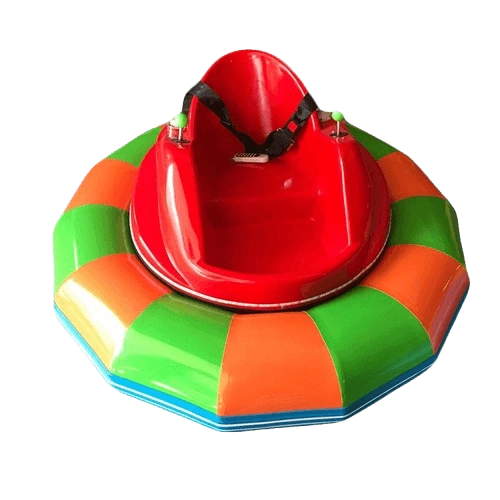
Key driving rules:
- No head-on ramming at high speed. This causes neck strain and whiplash.
- No targeting stopped cars. A stopped car might have a rider who is confused or hurt.
- No bumping the door side. Side impacts can twist bodies.
- No spinning on purpose near others. Spinning can create sudden side hits.
- No fighting or grabbing. Some riders may try to push others or pull poles. This must be stopped.
Operators should stop the ride if unsafe behaviour continues. Safety comes before customer satisfaction.
9) Loading and Unloading Safety
Many accidents happen during entry and exit. Riders may trip, or cars may still be moving.
Safe loading requirements include:
- Cars came to a full stop before the gates opened. No one should enter while cars are powered.
- Clear signals from staff. Staff should give a clear “enter now” and “exit now.”
- Assist small riders. Help children with seat position and safe posture.
- No loose items. Riders should remove scarves, long straps, and sharp objects. Phones should be secured.
- Check seat position. Riders should sit back with both hands on the wheel.
Unloading should be calm. Riders should not run across the arena floor.
10) Speed Control and Session Management
Speed affects injury risk. So does session length.
Operational requirements may include:
- Set a safe maximum speed. Many systems have adjustable speed. Operators should choose a speed that matches the rider’s age and arena size.
- Limit session time. Long sessions cause fatigue. Fatigue leads to poor control and harder impacts.
- Control car count. Do not run too many cars at once. More cars increase chaos and collisions.
- Use a clear countdown to stop. Riders should know when the ride will end. Sudden stops can surprise them.
Good session management also helps prevent aggressive driving.
11) Emergency Procedures and Incident Response
Emergencies can happen even with good planning. Operators must be ready.
A complete emergency plan should include:
- Immediate stop procedure. Staff should know when to stop the ride, such as in the event of injury, a fire alarm, a power fault, or severe behaviour.
- Evacuation plan. Staff should guide riders out safely. Exits must stay clear.
- First aid response. Staff should know how to assess injuries and call emergency services.
- Incident reporting. Every injury or near-miss should be recorded. Photos and witness notes may be needed.
- Equipment isolation. After an incident, the involved car may need to be removed for inspection.
Staff should practice drills. Drills make real events less chaotic.
12) Fire Safety, Ventilation, and Environmental Conditions
Indoor arenas need good air quality. Outdoor arenas need weather control.
Requirements can include:
- Fire extinguishers nearby. Extinguishers should match the risks, including electrical fires.
- Clear fire exits. Emergency exits must not be locked or blocked.
- Ventilation. Indoor rides need fresh air. This matters more if the equipment generates heat.
- Weather rules for outdoor rides. Rain can make surfaces slippery. Lightning requires a shutdown. High winds can affect structures.
Operators should have clear thresholds for closing the ride.
13) Hygiene and Cleanliness That Supports Safety
Cleanliness is not only about appearance. It can prevent slips and reduce the spread.
Key points:
- Remove spills quickly. Spilt drinks can create slip hazards near the loading area.
- Clean seats and steering wheels. High-touch surfaces should be cleaned on a schedule.
- Use safe cleaning methods. Do not create wet floors during operation. Allow drying time.
A clean site also makes inspections easier. Damage is easier to spot on clean equipment.
14) Clear Signage and Rider Communication
Many riders do not read signs. That is why signs and spoken instructions should work together.
Signage should include:
- Height and age limits
- Health warnings
- Rules on posture and behavior
- Instructions for securing personal items
- Emergency stop and staff-only areas
Staff instructions should be short and repeated. For example: “Sit back. Two hands on the wheel. Keep arms and legs inside. No hard head-on hits.”
Conclusion
Operating bumper cars safely requires more than turning on the power. It requires safe equipment, a well-designed arena, and strong daily checks. It requires trained staff who enforce rules. It requires clear rider limits and safe loading routines. It also requires emergency planning and solid record-keeping.
When these safety requirements are followed, bumper cars can stay fun while reducing risk. The best operators treat safety as part of the ride. They do not treat it as an extra task.