
Inflatable Bounce Safety Guide: Ensuring Your Child’s Fun and Peace of Mind
Safety Status Quo: Hidden Risks Behind the Fun
Inflatable bounce, with its bright colours and soft, bouncy feel, has become a popular way for children to exercise their natural impulses and burn calories. However, there are concealed safety risks that must not be overlooked. Every disaster, from equipment toppling over to people stomping, from unexpected air leaks to falls from great heights, reminds us that safety is always a must for joyful play.

Parents’ Perspective: A “Detective’s” Check Before Play
Parents should take on the role of “safety detectives,” carefully examining the location and equipment before letting their child use the inflatable trampoline. In addition to being your duty, this is your child’s first line of protection.
Parental Checks:
- Verify Qualifications: Make sure that the operational unit has both a “Special Equipment Use Registration Certificate” and a “High-Risk Sports Project Operation License.”
- Examine the Location: There should be a level hardwood or plastic floor with enough cushioning area surrounding it and no sharp objects.
Equipment Inspection: Make sure that the trampoline surface is intact, the seams are free of cracks, the air pump is working correctly, and the anchor points are secure.
Recognise the regulations: Find out from the staff what the game’s regulations are, such as that diving and somersaults are forbidden.
Select a Reputable Location: Give priority to inflatable trampolines situated in public areas like parks and shopping centres, as these locations are typically better maintained and have more extensive safety protocols. Steer clear of playing in remote or transient locations.
Pay Attention to the Weather: Inflatable facilities are susceptible to being blown over or flooded in windy or wet weather, which presents a risk to public safety. Before playing, always check the weather forecast and stay away from places with bad weather.
The Role of “Safety Guardian” During Play
When kids begin to play, parents’ responsibility changes from “inspector” to “safety guardian.” To ensure safety, good advice and ongoing attention are essential.
Maintain Close Supervision: Avoid leaving your kid alone for long periods of time or becoming sidetracked by items like cell phones, and always stand where they can see or hear you.
Stop Dangerous Behaviours Right Away: If you witness a youngster participating in risky behaviours like diving, somersaults, or human pyramids, stop them right away and gently explain the dangers.
Control Number of Players: Follow the principle of “one person, one bed” or “small groups of children” to avoid overcrowding. Children of different age groups should play in designated areas to prevent older children from unintentionally injuring younger children.
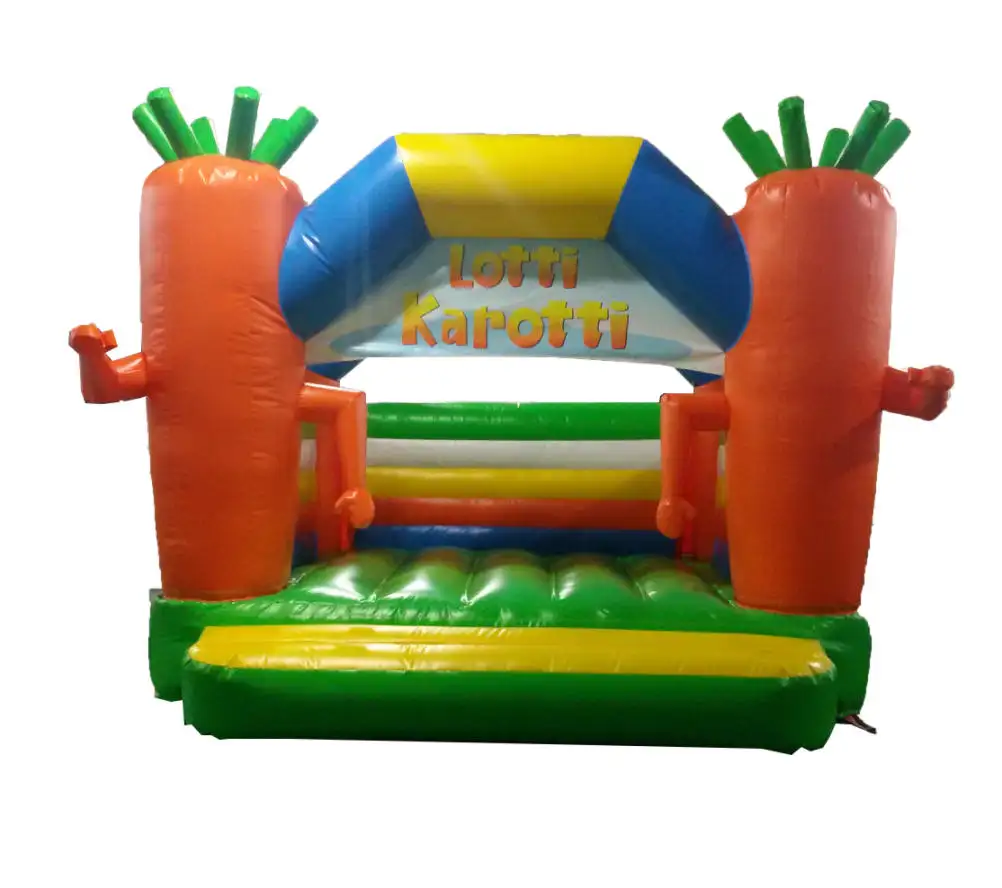
Children’s Section: Safety Tips for Playing
Teaching kids to abide by safety regulations not only keeps them safe, but it also makes other kids’ play areas safer.
Children’s Safety Guidelines
Wear Appropriate Clothes: To avoid becoming trapped or slipping, stay away from loose clothing and shoes.
Observe the game’s rules: Don’t dive, perform somersaults, or build human pyramids; instead, heed staff directions.
Moderate Exercise: To prevent extreme exhaustion and lack of focus, keep playing for 20 to 30 minutes each time.
Be Kind: Engage with peers kindly, refrain from pushing or shoving, and cooperate to keep the area safe.
Emergency Response: Respond Calmly to Emergencies
Even with our greatest efforts, mishaps can occasionally occur. By using the right emergency response techniques, damage can be reduced.
Unexpected Equipment Leak: Don’t panic or flee; instead, plan the children’s orderly departure right away. Notify employees as soon as possible to turn off the electricity and do an examination.
If a youngster falls or is hurt, be composed and try to calm them down first. Look for any visible exterior injuries, such as blood, discomfort, swelling, or redness. If the damage is mild, treat it and walk away; if a fracture or other significant injury is suspected, call emergency services right away and wait for medical help in a secure setting.
Equipment Overturns: To protect kids from being hurt by falling equipment, quickly lead them away from the overturned area. Loudly request staff help at the same time.